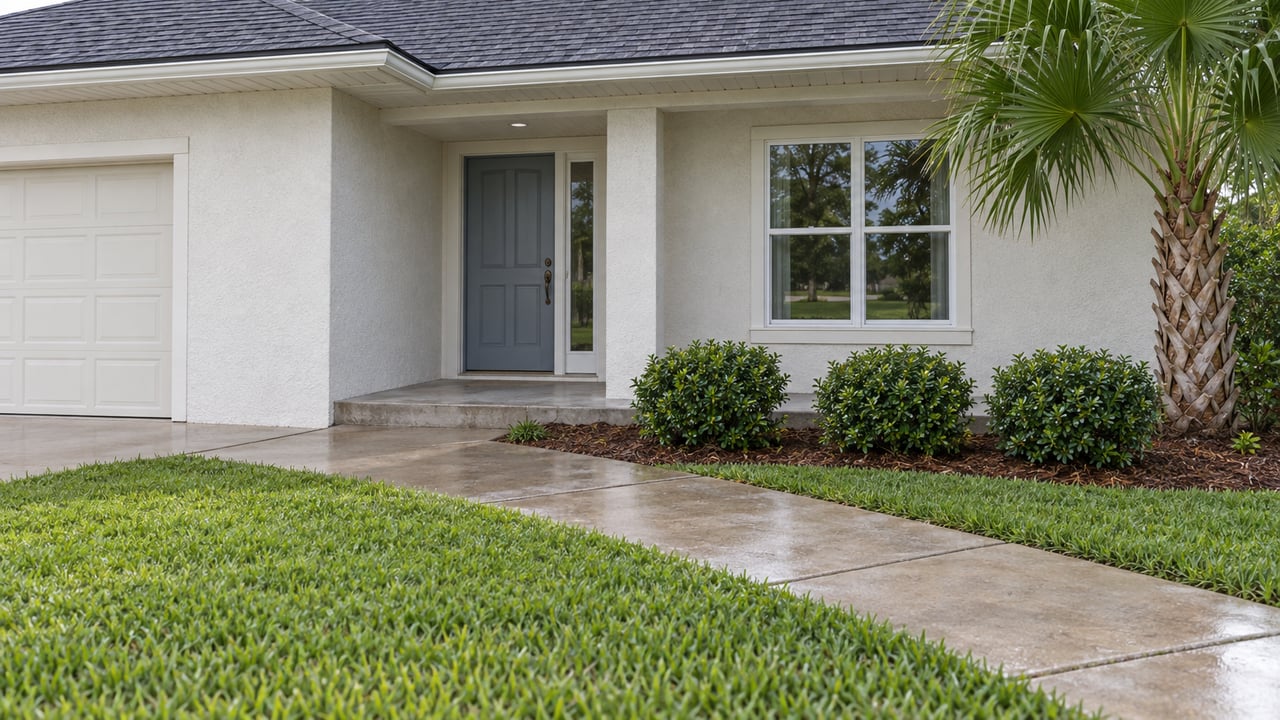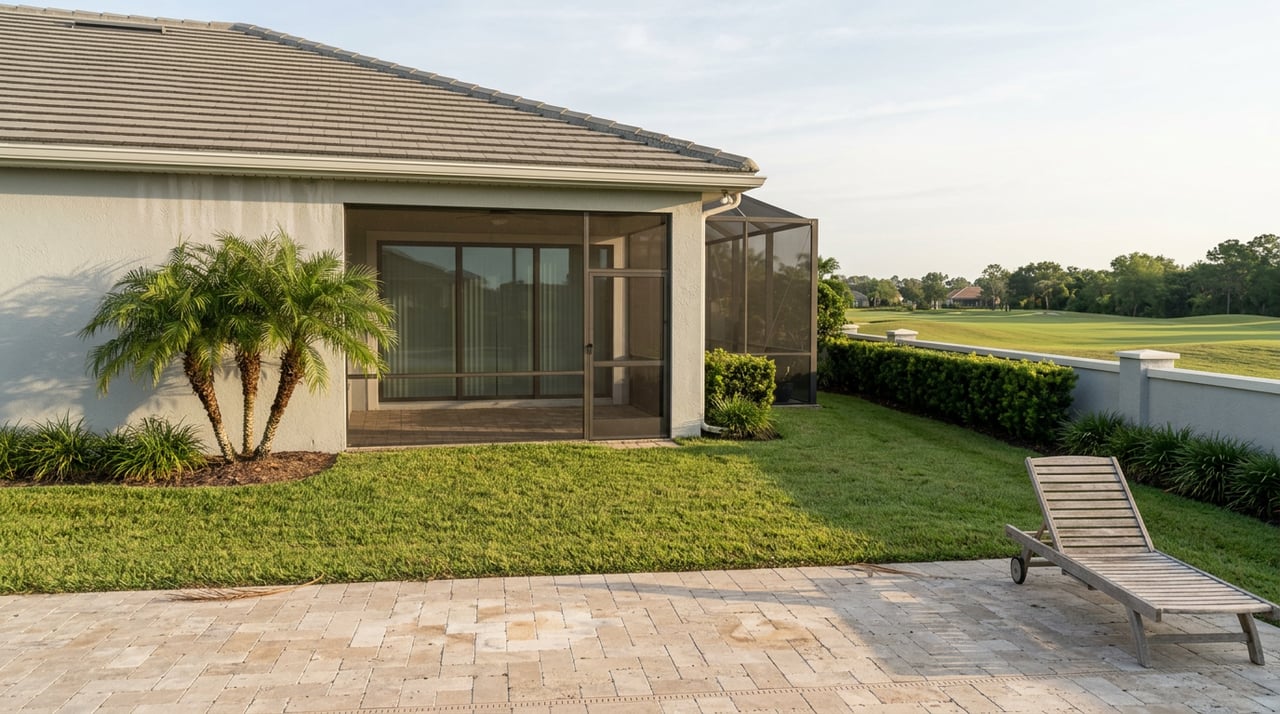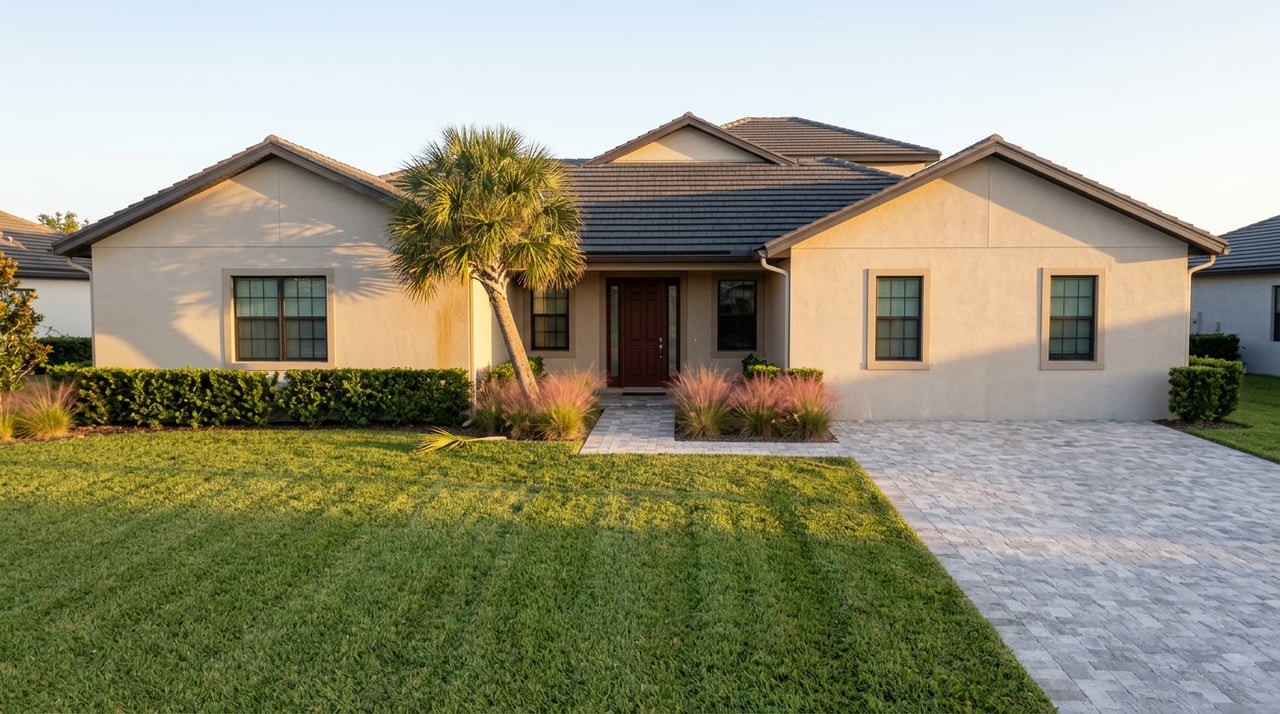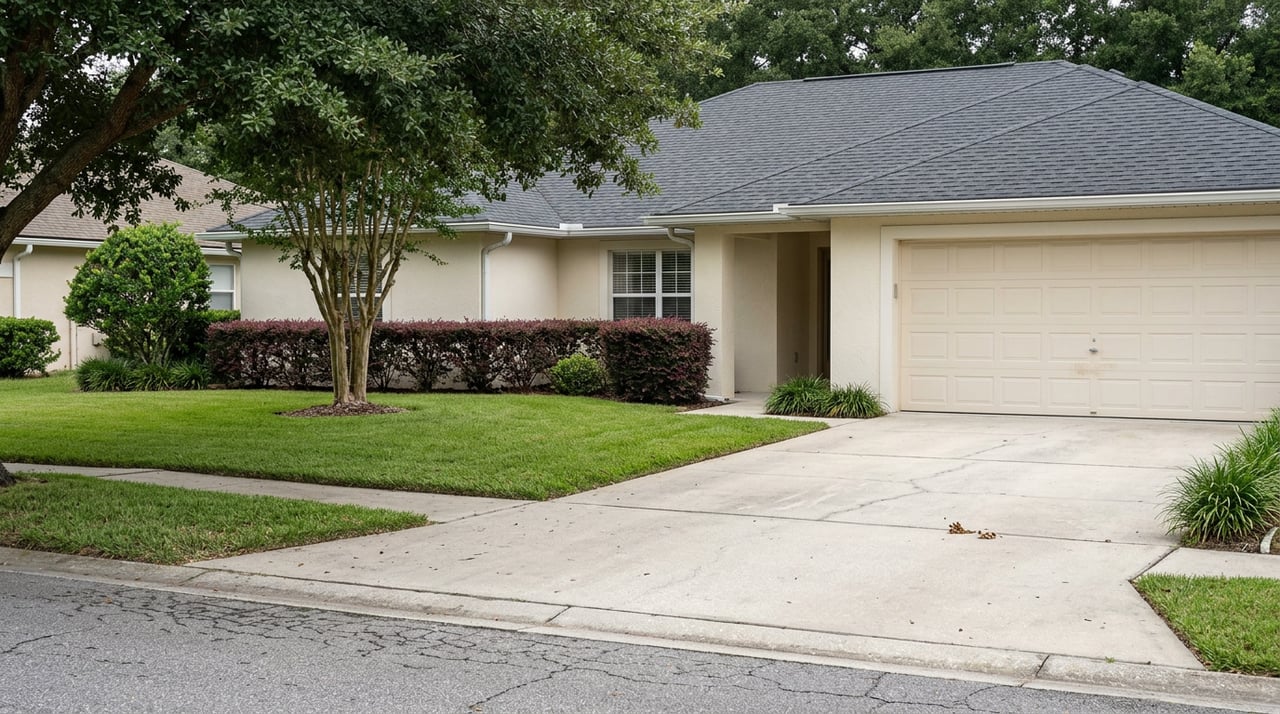
Four people. That's how many residents showed up to the Community Development District 4 board meeting on August 14, 2026, when the agenda included a vote to raise maintenance taxes by 25 percent for the 2026-27 fiscal year. The district covers 5,432 households across the villages of Briar Meadow, Calumet Grove, Chatham, Piedmont and Woodbury, all in the Marion County section of the community, an older, established part of The Villages where listing agents love to write "NO BOND!" in capital letters because so many of these homes have already paid off their infrastructure debt.
That's the part everyone hears. Here's the part that doesn't make it into the listing description: the bond and the maintenance assessment are two completely different bills, and in CDD 4 right now, one of them is climbing faster than almost anything else in the community.
What a paid-off bond actually promises
When a Villages listing advertises no remaining bond, it means the original infrastructure debt for that home's section, the money that built the roads, water lines and drainage when the neighborhood was first constructed, has been retired. That's a real and meaningful savings, often several thousand dollars a year compared to a newer section still carrying its bond.
What it does not mean is that the home's carrying costs are locked in. Every home in The Villages sits inside a Community Development District established under Florida Statute Chapter 190, and each CDD levies its own annual maintenance assessment, a non-ad valorem tax that pays for the ongoing upkeep of roads, drainage, and neighborhood infrastructure. That number is separate from the bond, it isn't disclosed in the same place, and it isn't finished rising just because the bond is finished.
CDD 4 is the clearest example on record right now.
A five-year timeline, one recurring cause
According to the district's own budget history, cited by a CDD 4 resident in a letter published by Villages-News.com, the maintenance assessment has moved like this since 2022:
- 2022-23: up 20 percent
- 2023-24: up 25 percent
- 2024-25: flat, no increase
- 2025-26: up 3 percent
- 2026-27: a 25 percent increase under discussion as of the August 14 meeting
The resident who tracked these numbers called the pattern out directly, noting the cumulative effect on a household budget that had already absorbed two prior double-digit jumps. Whether or not every homeowner has done that math, the district's public minutes confirm the individual year-over-year figures.
The driver behind most of it is a specific, ongoing problem: sinkholes and collapsing stormwater pipe in the Cameron Villas, a villa community inside the Village of Calumet Grove. The first pipe collapse opened a sinkhole on May 24, 2026, at the intersection of Victoria Lane and Parlange Terrace. Days later, while crews were still laying new pipe at that same site, a second sinkhole opened nearby on Victoria Lane in June 2026, rattling residents further. Two homes in the Cameron Villas have been declared unlivable. The CDD 4 board voted to spend $517,220 on emergency pipe repairs, and by July 2026, district reporting put the broader pipe problem at roughly $1.4 million, a bill shared across all 5,432 CDD 4 households regardless of whether their own street has ever cracked.
CDD 4 Board Chairman Cliff Wiener has said the district has seen at least ten sinkholes in that same area over the more than two decades he's lived in The Villages, and he's been candid about how hard the budget conversations are. "You have no idea how much we agonize over the budget," Wiener told residents at an earlier assessment hearing.
This isn't a new phenomenon in this district. The 2018 sinkholes on McLawren Terrace in Calumet Grove forced two homeowners out of their homes and left CDD 4 residents footing that repair bill too. The current round in Cameron Villas is being described by residents as an echo of that same event, on the same kind of soil, in the same district.
Why this district carries more risk than most
Here's the detail that makes CDD 4 different from the CDD next door, and it's the kind of thing that only shows up if you go looking at district-level reporting rather than a listing sheet. CDD 4 is the only Community Development District in The Villages responsible for the cost and maintenance of all of its own roads. Most other districts are only on the hook for villa roads within their boundaries. That structural difference means when CDD 4 needs to mill and overlay a mile of roadway, at a cost that district supervisors have put at roughly $125,000 per mile, or absorb an emergency pipe repair, there's no shared regional road fund to lean on. The assessment is the only lever available, and residents are the ones who feel it pulled.
That's a fact about this specific district, not a statement about The Villages as a whole. Other CDDs have their own budget histories, their own infrastructure ages, and their own risk profiles. The lesson isn't "avoid Marion County." It's that the assessment history is a district-by-district fact, and it deserves the same scrutiny buyers already give the bond balance.
Three separate numbers, one home
Every Villages property carries three distinct recurring costs that get lumped together in casual conversation but behave nothing alike:
| Cost | What it pays for | How it changes |
|---|---|---|
| CDD Bond | Original infrastructure debt for the home's section (roads, utilities, amenities at construction) | Fixed payment schedule, can be paid off entirely, balance transfers with the property if not paid |
| CDD Maintenance Assessment | Ongoing upkeep, repairs, and in some districts full road maintenance | Set annually by that district's board, no cap, can rise or fall based on that year's needs |
| Amenity Fee | Access to recreation centers, executive golf, pools, and free entertainment at the five town squares | Adjusts once a year, tied to CPI, on the anniversary of that specific home's first transfer from the developer |
That last line is worth sitting with for a second. The amenity fee, currently around $204 a month for new buyers, doesn't reset for everyone on the same date. It resets on each home's own anniversary of its first sale out of developer hands. Two neighbors on the same street, in homes built the same year, can be paying slightly different amenity fees depending on when each home first changed hands. It's a small illustration of a larger pattern: in The Villages, the sticker price and the ongoing cost of ownership are governed by different clocks entirely, and none of those clocks show up on a listing photo.
Before you write the offer
If you're comparing a paid-off-bond home in an older northern village against a bonded home in a newer section further south, the bond balance alone won't tell you which one actually costs less to own five years from now. Before you write an offer, ask for:
- The specific CDD number that governs the property, not just the village name
- That district's maintenance assessment amount for the current fiscal year and the prior three to five years
- Whether the district has any pending or recently approved emergency repair spending
- The home's amenity fee anniversary date and current monthly amount
- Whether the remaining bond balance, if any, is being paid off at closing or assumed by the buyer
Your closing agent and title company can help confirm most of this, and district-level budget history is public record through the district's own government pages.
FAQ
Is this a Villages-wide problem, or specific to CDD 4? The current sinkhole and pipe repair costs are specific to CDD 4's Cameron Villas and Calumet Grove area. Other districts have their own maintenance assessment histories, which may look very different. The point isn't that this district is uniquely bad, it's that assessment history is local and specific, and it needs to be checked home by home.
Does a paid-off bond mean lower total housing costs? Not automatically. It means one of three cost lines, the original infrastructure debt, is retired. The maintenance assessment and amenity fee are separate and can still rise. A full comparison requires all three numbers, not just the bond balance.
Where can I find a district's maintenance assessment history? Community Development District budgets and board meeting minutes are public record. The Villages' district government maintains records for each CDD, and local reporting from outlets like Villages-News.com regularly covers board votes on assessment changes as they happen.
Numbers on a listing sheet tell you what a home costs today. They don't tell you what its district has already voted to make it cost next year. If you're weighing a paid-off-bond home against a newer, bonded one, that comparison deserves an actual look at both districts' assessment histories, not just the line that says the bond is gone.
Caroline Fromkin has spent 20-plus years tracking exactly these kinds of district-level details across The Villages. If you're comparing neighborhoods and want the real cost picture, not just the bond balance, reach out for a no-obligation consultation or start with a free home valuation to see where you stand.