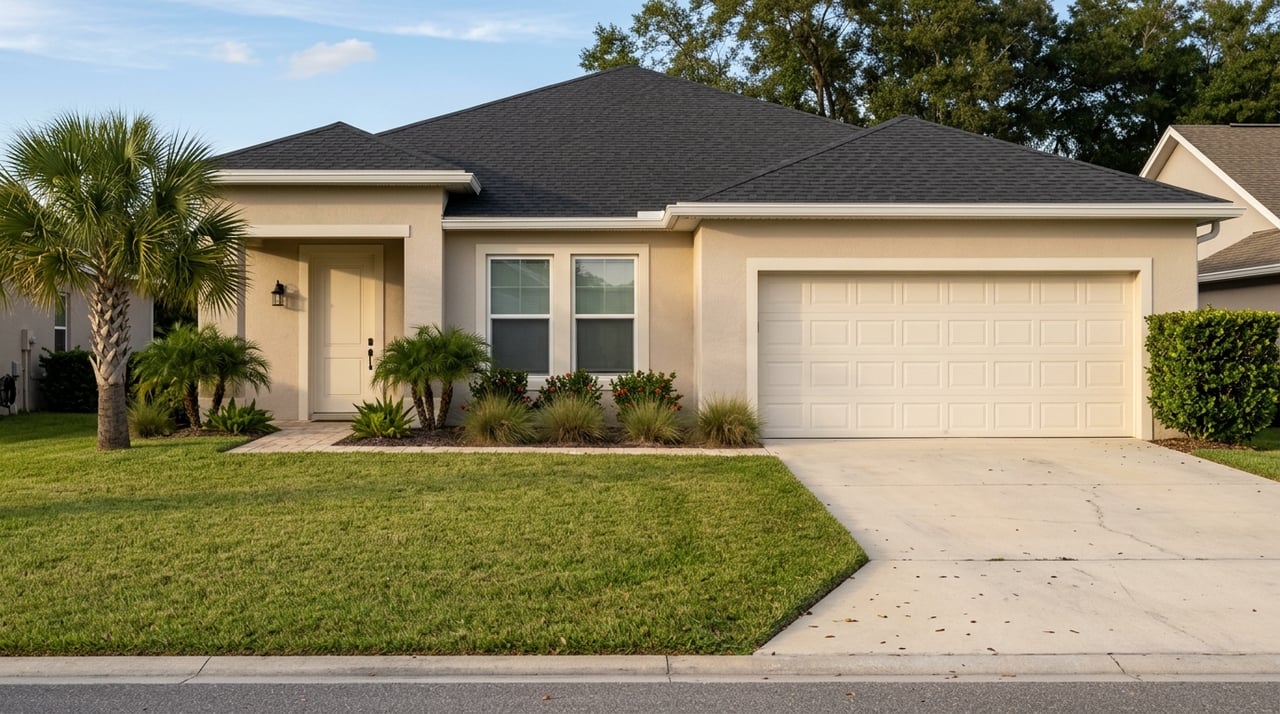
Thinking about buying in The Villages while living in another state can feel like a lot to coordinate at once. You want to make a smart decision, keep travel to a minimum, and avoid surprises once you are under contract. The good news is that with the right timeline, you can do most of the work remotely and use one focused trip to move things forward efficiently. Let’s break it down step by step.
Start With The Villages Basics
Before you look at homes, it helps to understand how The Villages works. The community is a 55+ active adult community, and the official rules state that at least one household member must be 55 or older and that no full-time resident may be younger than 19.
That matters early because it helps you confirm fit before you spend time comparing homes. The official FAQ also notes that prospective residents can stay 4 to 7 days in a private villa, which can make it easier to combine touring, area comparison, and lifestyle research into one short visit.
Know The Costs Beyond The Price
When you buy from out of state, it is especially important to look beyond the purchase price. Your budget should include your down payment, monthly payment, taxes, insurance, moving costs, repairs, and closing costs.
For closing costs, a practical estimate is about 2% to 5% of the purchase price, not including your down payment. If the property is in a FEMA special flood hazard area, flood insurance may also be required, so that is another item to verify as you narrow your options.
In The Villages, you should also plan for ongoing local charges. District FAQ materials state that amenity fees are billed monthly along with water, wastewater, and trash pickup, while maintenance assessments are billed annually on the county tax bill.
It is also important to know that some of these fees continue year-round even if the home is vacant. If you plan to be a seasonal owner, that detail should be part of your monthly and annual budget from the beginning.
Step 1: Prepare Remotely Before You Travel
Most out-of-state buyers can do a large part of the early process from home. This is often the best way to save time, narrow your options, and make your in-person visit more productive.
Start by reviewing your credit, debt, savings, and comfort level with a monthly payment. This gives you a clear price range and helps you avoid looking at homes that do not fit your long-term plan.
Next, get preapproved if you plan to finance the purchase. A preapproval gives you a stronger foundation before you make an offer, and it helps the process move faster once you find the right property.
Your Remote Prep Checklist
- Confirm that The Villages fits your household’s residency requirements
- Set a target monthly housing budget
- Estimate cash needed for down payment and closing costs
- Review taxes, insurance, and moving expenses
- Get preapproved with your lender
- Build a shortlist of homes and areas to tour during your visit
Step 2: Plan One Focused House-Hunting Trip
Once your financing and search basics are in place, your next goal is to make one concentrated trip count. For many out-of-state buyers, this is where the process becomes much more efficient.
A short stay can help you compare home styles, visit different sections of The Villages, and get a feel for your daily routine. Instead of trying to learn everything at once, focus on the things that will shape your decision most, like home type, monthly costs, and location within the community.
This is also the stage where local guidance becomes especially valuable. If your schedule is tight, having a clear plan for showings, area comparisons, and next steps can help you use your time wisely.
Step 3: Make An Offer With Deadlines In Mind
Once you find the right home and your offer is accepted, the timeline becomes more deadline-driven. In Florida, contract time periods are generally counted in calendar days, which means weekends count.
If a deadline falls on a weekend or legal holiday, it extends to the next non-weekend, non-holiday day. That sounds simple, but when you are buying from out of state, it can make the timeline feel fast, especially if you are coordinating inspections, lender documents, and insurance quotes from afar.
Why Speed Matters After Acceptance
If you are using a Florida AS IS contract, the inspection period is especially important. Buyers generally have a strong right to cancel during that period, which is why inspections should be scheduled as early as possible.
If issues are raised too late, repair rights can be waived. That is one reason the first few days after contract acceptance tend to move quickly.
Step 4: Schedule The Inspection Early
As soon as you are under contract, schedule the home inspection. This is one of the most important early tasks because it helps you understand the property’s condition while you are still within the inspection window.
For out-of-state buyers, this step often requires extra coordination. You may need to review reports remotely, ask follow-up questions, and make decisions on a compressed schedule, so early timing matters.
Step 5: Stay Ready For The Appraisal And Loan Documents
If you are financing the purchase, your lender will generally require an appraisal. The appraisal is part of the lender’s process, so it is important to respond quickly to document requests and keep your file moving.
You should also expect a Closing Disclosure before closing. The lender must send that disclosure at least three business days before closing, and you should receive a copy of the appraisal no later than three days before closing as well.
This is a good time to review your final numbers carefully. Make sure your cash to close, monthly payment, and escrow details match what you expect.
Step 6: Line Up Insurance And Closing Details
During the contract-to-close period, you will also need to shop for homeowner’s insurance and title insurance. These items are part of the closing process and should not be left until the last minute.
In many transactions, the closing itself involves the buyer’s agent, title insurance company, escrow company, lender, and sometimes attorneys. The exact setup can vary, but the key point for out-of-state buyers is that much of this coordination can happen without another long trip.
Step 7: Explore Remote Closing Options
One of the most helpful parts of buying from out of state is that closing may not require you to be physically present. Some companies allow electronic signing in advance or at the closing table, and some closings may even be handled by mail or online.
Florida also authorizes remote online notarizations, and Sumter County electronically records land records. Together, those tools can reduce the need for a second in-person visit and make the final steps more convenient.
Step 8: Understand What Happens Right After Closing
After closing, the deed and mortgage are recorded in Sumter County’s official records. Electronic recording can help speed up that process.
You will also want to take care of practical follow-up tasks right away. That may include filing a change of address and setting aside money for taxes and insurance if those costs are not being escrowed by your lender.
Step 9: Plan For Seasonal Ownership Costs
If this will be a part-time home, post-closing planning is just as important as the purchase itself. In The Villages, sanitation, amenity, water and sewer, and irrigation fees are charged year-round, even when the home is vacant.
That means your ownership budget should reflect the full-year cost of the property, not just the months you plan to use it. For owners who are away for more than seven days, the district also offers a House Check Program with exterior checks three times a week, along with an Out of Area program for emergency notifications.
Step 10: Review Homestead Later If You Move Full-Time
If the home later becomes your permanent Florida residence, you may be able to apply for the homestead exemption through Sumter County. Eligibility depends on making the property your permanent home and being able to show evidence of ownership.
According to the Sumter County Property Appraiser, the exemption can provide up to $50,000 of relief. The first $25,000 applies to all property taxes, and the second $25,000 applies to non-school taxes.
For most out-of-state buyers, this is a later step after the move, not something to assume at closing. It is helpful to keep it on your long-term checklist if you plan to make The Villages your full-time home.
A Simple Out-Of-State Buying Timeline
Here is what the process often looks like in practical terms:
| Stage | What You Do |
|---|---|
| Before travel | Review budget, check credit, get preapproved, shortlist homes |
| During visit | Tour homes, compare areas, confirm fit, choose a property |
| After offer acceptance | Track contract deadlines, schedule inspection, provide lender documents |
| Before closing | Complete appraisal, review Closing Disclosure, finalize insurance and title details |
| After closing | Confirm recording, update address, plan for fees and seasonal ownership |
Why A Clear Plan Matters
Buying in The Villages from out of state is very doable, but it works best when you treat it like a timeline, not just a home search. The early planning happens remotely, the in-person trip is focused, and the contract period moves on real deadlines.
When you know what is coming, you can make better decisions and avoid unnecessary stress. That is especially true in a market where local fees, age restrictions, inspection timing, and remote closing options all play an important role.
If you want a clear, local plan for your move, Caroline Fromkin offers personalized guidance for out-of-state buyers in The Villages, with responsive support from the search stage through closing.
FAQs
What is the first step to buy in The Villages from out of state?
- Start by confirming the community rules, reviewing your budget, and getting preapproved if you plan to finance the purchase.
How long should an out-of-state house-hunting trip to The Villages be?
- A short, focused trip can work well, and the official FAQ states that prospective residents can stay 4 to 7 days in a private villa.
What extra costs should buyers budget for in The Villages?
- In addition to the purchase price, you should plan for closing costs, taxes, insurance, moving expenses, amenity fees, and annual maintenance assessments.
How are contract deadlines counted in a Florida home purchase?
- Florida contract time periods generally use calendar days, with weekends counting, and deadlines that fall on a weekend or legal holiday extend to the next eligible business day.
Can you close on a home in The Villages without traveling back to Florida?
- In some cases, yes. Electronic signing, mail-away closings, remote online notarization, and electronic recording can reduce the need for another in-person trip.
Can a seasonal owner in The Villages leave the home vacant part of the year?
- Yes, but certain fees such as sanitation, amenity, water and sewer, and irrigation charges still apply year-round even when the property is vacant.
When can a buyer apply for a homestead exemption in Sumter County?
- A buyer may apply once the property becomes their permanent Florida residence and they meet the county’s eligibility requirements.