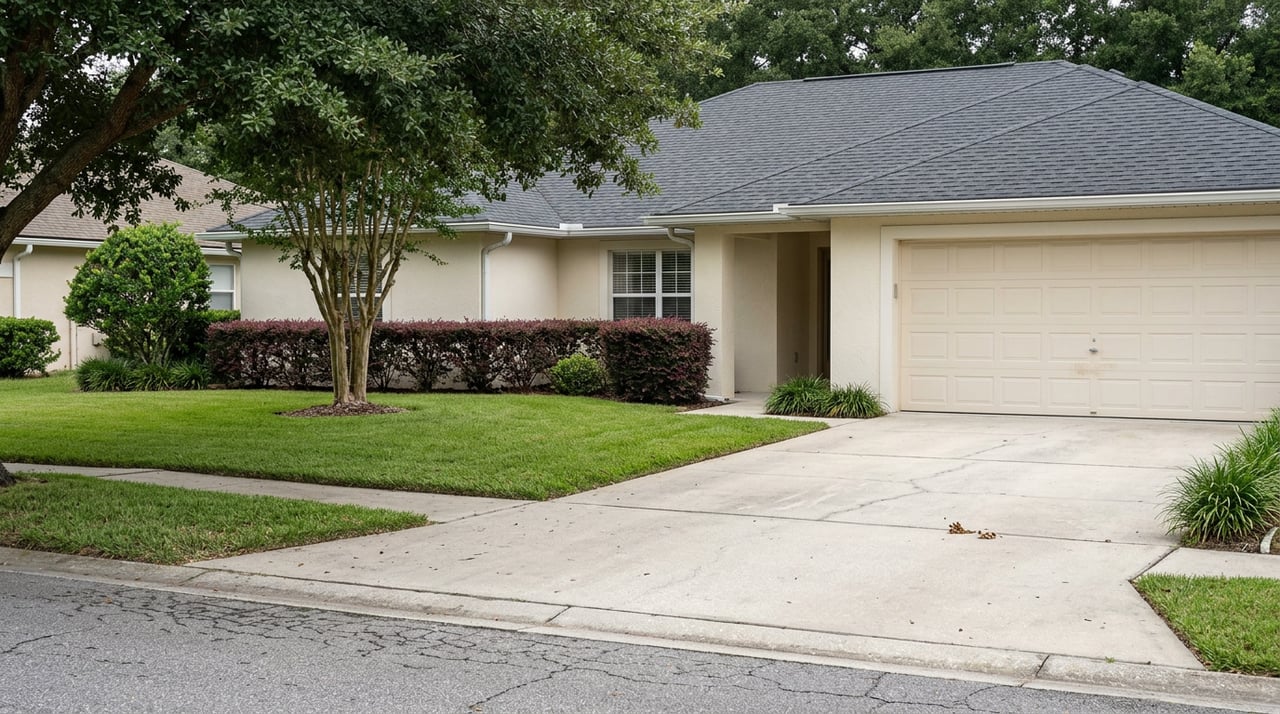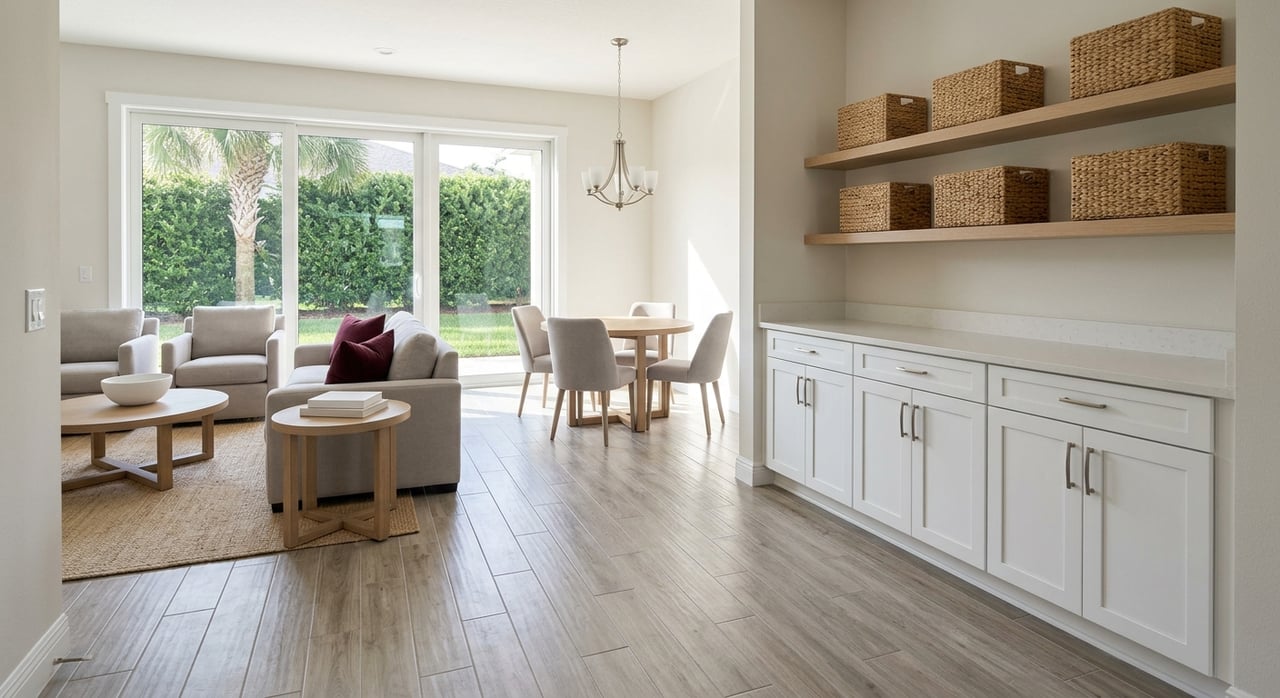
If you’re planning to downsize to The Villages, the hardest part usually is not choosing a new address. It’s figuring out what to keep, when to list, and how to coordinate all the moving pieces without feeling overwhelmed. The good news is that you can make this move much more manageable with a clear plan. This practical checklist will help you prepare your current home for sale, simplify your move, and stay on top of key Florida deadlines. Let’s dive in.
Why downsizing to The Villages is different
Downsizing to The Villages is often about more than moving into a smaller home. For many people, it is a lifestyle shift toward simpler upkeep, easier routines, and more time to enjoy what matters most.
The Villages is a 55+ active-adult community, with at least one household member required to be 55 or older. No full-time resident may be younger than 19, and visitors under 18 may stay for up to 30 consecutive days, according to The Villages FAQs. If you are planning a move here, it helps to think through both the home size and the community guidelines before you pack a single box.
Home size is another big part of the equation. According to The Villages home series information, Patio Villas range from 1,403 to 1,870 square feet, Cottage Homes range from 1,702 to 2,254 square feet, and Courtyard Villas range from 1,935 to 2,695 square feet. If you are selling a larger longtime home, that size difference can shape every step of your downsizing plan.
Start with your future floor plan
Before you declutter your current house, get clear on what is likely to fit in your next one. This step can save you time, money, and frustration later.
If you are considering a villa or smaller single-story home, measure your largest furniture first. Focus on items like sectionals, dining tables, bedroom sets, hutches, and patio furniture. A piece that worked well in a larger home may overwhelm a smaller living room, guest room, or lanai.
You should also pay special attention to storage. In many downsizing moves, closets, garages, and kitchen cabinets become the first places where space feels tighter. Since many homes in The Villages include features like golf car garages, outdoor living spaces, island kitchens, walk-in showers, and volume ceilings, it is smart to think through garage items, seasonal décor, and oversized furniture early.
Ask these fit questions first
- Will your main furniture pieces fit the next home’s rooms comfortably?
- Do you need all your guest room furniture if you will have less space?
- How much kitchenware do you actually use each week?
- Are you storing duplicates of the same items in closets or the garage?
- Which décor items matter most, and which ones are simply taking up space?
Declutter before you list
Decluttering is not just about making packing easier. It also helps your current home show better to buyers.
The National Association of Realtors 2025 Profile of Home Staging found that 83% of buyers’ agents said staging made it easier for buyers to visualize a property as a future home. The same report found that 30% of sellers’ agents said staging slightly reduced time on market, and 19% reported a 1% to 5% increase in offered dollar value.
For a downsizing seller, decluttering serves two goals at once. It helps your home look cleaner and more spacious for showings, and it helps you avoid paying to move things you do not really want or need.
Best places to start decluttering
Start with areas that tend to collect the most extra items:
- Closets
- Garage shelves and storage bins
- Kitchen cabinets and pantry
- Linen closets
- Holiday décor storage
- Spare bedrooms
These spaces often hold duplicates, rarely used items, or things you meant to sort years ago. Tackling them first can give you quick wins and make the rest of the house easier to manage.
Stage the rooms buyers notice most
Once you have reduced the clutter, focus on presentation. You do not need to overcomplicate this step.
The NAR staging report says the living room, primary bedroom, and kitchen are the most important rooms to stage. That means your effort should go toward creating open, bright, and easy-to-understand spaces where buyers can picture daily life.
Keep surfaces as clear as possible. Limit extra furniture, remove personal overflow from countertops, and make sure traffic flow feels easy from room to room. If a room is crowded, buyers may focus on the home feeling smaller rather than on its best features.
Simple staging priorities
- Open up walkways and remove bulky furniture if needed
- Clear kitchen counters except for a few intentional items
- Make the primary bedroom feel restful and spacious
- Use clean, simple bedding and neutral décor
- Let natural light in wherever possible
Make smart repairs before selling
When you are preparing to sell before a downsizing move, it is tempting to wonder if you should remodel. In most cases, a better approach is to focus on visible, practical updates that help your home feel well cared for.
According to the NAR consumer guide to hiring a remodeling contractor, some of the highest estimated cost recovery came from a new steel front door at 100%, a closet renovation at 83%, and a new fiberglass front door at 80%. For downsizers, that is useful because first impressions and storage function matter a lot.
A refreshed front entry can strengthen curb appeal right away. Better closet organization can also make your home feel more functional to buyers while helping you sort what will move with you.
Focus on high-impact repairs
Consider prioritizing:
- Front door updates or fresh paint
- Minor drywall or trim repairs
- Closet organization improvements
- Fixing worn hardware, lighting, or faucets
- Deep cleaning before photos and showings
If you hire contractors, use the NAR guidance and look for someone who is licensed, insured, and able to provide a detailed scope, timeline, and cost.
Plan for weeks, not days
One of the biggest mistakes sellers make is assuming the whole process will happen almost instantly. Current market data suggests you should build in breathing room.
According to Redfin’s The Villages housing market data, the median sale price was $348K and homes were taking about 50 days on market as of February 2026. A separate market tracker for Sumter County reported a median sale price of $360K and about 77 days on market in January 2026. Since those sources use different areas and methods, the safest takeaway is simple: plan for several weeks of marketing time, plus inspections, appraisal, and closing steps.
That matters if you are trying to coordinate a sale, a purchase, and a move into a smaller home at the same time. Giving yourself a cushion can reduce stress and help you make better decisions.
Build your moving timeline around these steps
- Decide what will fit in your next home.
- Declutter and sort items to keep, donate, or discard.
- Complete small repairs and prepare the home for photos.
- List your home and allow time for showings and negotiations.
- Schedule movers only after your timeline is clearer.
- Handle mail forwarding and address updates.
- Finish Florida residency and registration tasks after closing.
Vet movers carefully
If your move involves crossing state lines, take extra care when choosing a moving company. A low quote can become expensive if the mover is not properly registered or the estimate is not clear.
The Federal Motor Carrier Safety Administration moving checklist recommends getting estimates from at least three movers or brokers. It also says you should check that the interstate mover or broker is registered with FMCSA and has a U.S. DOT number.
You should also review complaint and insurance information. Red flags noted by DOT oversight sources include no local address, no written estimate, demands for cash or a large deposit, and blank paperwork.
Moving company checklist
- Get at least three estimates
- Confirm FMCSA registration and U.S. DOT number
- Review complaint history and insurance information
- Avoid movers asking for large cash deposits
- Do not sign blank or incomplete paperwork
Handle mail and address changes early
Mail forwarding is easy to overlook, but it can create unnecessary headaches if you wait too long. A missed bill, bank letter, or insurance notice can cause problems during a busy move.
The USPS Change of Address basics say you can file a request online or in person, either as a temporary or permanent move, up to 90 days before your move and up to 30 days after. USPS then sends a validation letter and a welcome kit with confirmation details.
If you are managing a household move, this is one of those tasks worth doing early. It is simple, but it helps everything else run more smoothly.
Know your Florida deadlines
If your move to The Villages will make Florida your permanent residence, there are important deadlines to remember after closing.
According to the Florida Highway Safety and Motor Vehicles new resident guide, new residents must obtain a Florida driver license within 30 days of establishing residency. Vehicle title and registration must be completed within 10 days, and Florida insurance from a licensed Florida agent is required for titling and registering vehicles, vessels, and mobile homes.
FLHSMV also says driver license and ID holders must update address changes within 30 days, and title and registration updates are due within 30 days after an address change. These are firm deadlines, so it helps to gather documents before the move is complete.
Florida paperwork checklist
- Obtain a Florida driver license within 30 days of establishing residency
- Title and register vehicles within 10 days
- Secure Florida insurance before vehicle titling and registration
- Update your address on your driver license or ID within 30 days
- Update title and registration address information within 30 days
Prepare for homestead early
If your new home in Sumter County will be your permanent Florida primary residence, it is smart to prepare for homestead filing in advance.
The Sumter County Property Appraiser homestead page states that applications are due by March 1, and the property must be your permanent Florida primary residence as of January 1. The site also notes that recent closings may require about 60 days for deed and ownership processing, and if the deadline is close, filing in person may be the best option.
The application may require documents such as a Florida driver license or ID card, vehicle registration, voter registration, and residency dates. Gathering those items early can make the process much easier.
Your downsizing checklist at a glance
If you want a simple way to stay on track, use this checklist as your guide:
- Measure your largest furniture for the likely floor plan
- Sort items into keep, donate, sell, or discard
- Declutter closets, garage, kitchen, and guest spaces first
- Stage the living room, primary bedroom, and kitchen
- Make visible, practical repairs before listing
- Plan for a selling timeline measured in weeks
- Get estimates from at least three interstate movers
- Submit your USPS change of address request
- Complete Florida license, insurance, and vehicle updates on time
- Gather documents early for homestead filing if applicable
Downsizing to The Villages can feel like a big life transition, but it does not have to feel chaotic. With the right plan, you can simplify your sale, reduce moving stress, and step into your next chapter with more confidence. If you want local guidance on timing, pricing, and preparing your home for a successful move, Caroline Fromkin is here to help.
FAQs
What should sellers measure before downsizing to The Villages?
- Sellers should measure large furniture like sofas, dining tables, bed frames, hutches, and patio pieces first so they can compare those items to the likely room sizes in their next home.
How long should sellers expect a home sale to take near The Villages?
- Current market data suggests sellers should plan for several weeks of marketing time rather than expecting a same-week sale, with reported time on market ranging from about 50 to 77 days depending on the source and area measured.
Which rooms matter most when staging a home before downsizing?
- Based on NAR staging data, the living room, primary bedroom, and kitchen are the most important rooms to focus on when preparing a home for buyers.
What should movers check before hiring an interstate moving company?
- You should get at least three estimates, confirm FMCSA registration and a U.S. DOT number, review complaint and insurance information, and avoid companies that demand large cash deposits or provide no written estimate.
When should new Florida residents update their license and vehicle records after moving to The Villages?
- New residents must obtain a Florida driver license within 30 days of establishing residency, and vehicle title and registration must be completed within 10 days, with additional address updates due within 30 days where applicable.
What do homeowners need to know about homestead filing in Sumter County?
- If the home is your permanent Florida primary residence as of January 1, homestead applications are due by March 1, and it is wise to gather documents early because recent closings may need about 60 days for deed and ownership processing.